
If you ever had a conversation with a psychologist, you know they have the best conversation ever. It is their job to understand what people are feeling. Even when those people don’t know how to explain it themselves. That’s not easy. Not everyone opens up right away. That’s why, as a psychologist, your role isn’t just to listen, it’s to lead the conversation. But how do you do it? How do you lead the conversation? How do you have the best conversation ever?
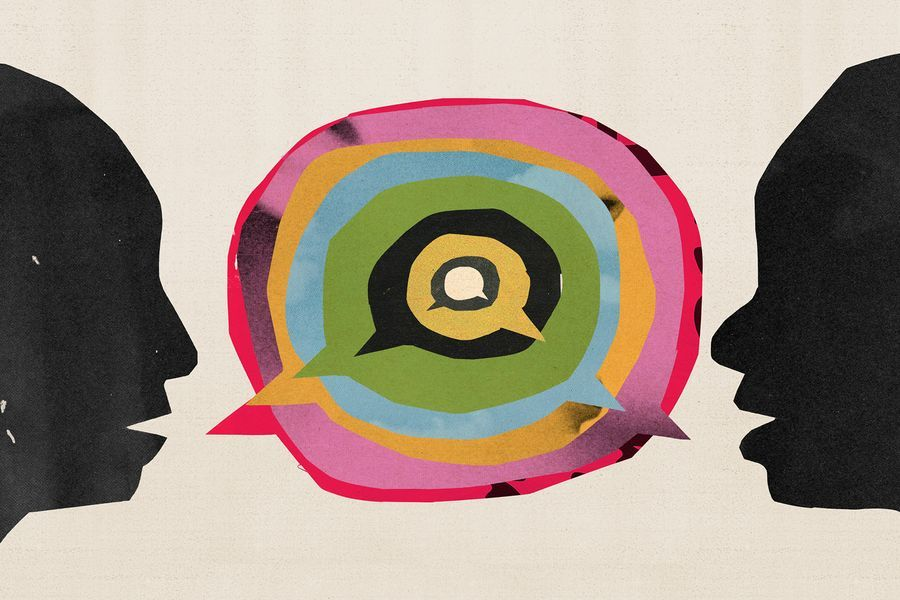
Have Better Conversations With Friends—or Anyone
But what does it actually mean to lead?
Let’s clear something up first: leading a conversation isn’t about taking over the conversation. It is definitely NOT raising your voice, or controlling everything your client says. It IS about gently guiding the flow, creating space for your client and helping the conversation move toward clarity and insight.
When you let your client talk freely without structure, you might miss important details or never get to the root of what’s really going on. That’s why leading is essential, you’re the one helping them, and that means you need to gently steer the conversation toward deeper understanding.
Here are three simple but powerful tools every psychologist (or anyone who wants better conversations) should use:

What Is a True Empath? | Spirituality+Health
1. Listen actively
This one sound obvious, but real listening means more than just hearing words. Having the best conversation ever means being fully present. Maintain eye contact, nod, and show you’re tuned in. People open up more when they feel truly seen and heard.
2. Summarize what you hear
Summarizing shows that you’re not just listening—you’re processing. It also gives your client a moment to reflect and clarify their own thoughts. And it shows you know how to have the best conversation ever!
For example:
Client says:
“Yesterday, I went to the supermarket to get strawberries and chocolate. At the checkout, a very tall man with long brown hair came up to me and said I’d dropped my wallet.”
You say:
“So, you lost your wallet at the supermarket.”
That short summary keeps the conversation on track and opens the door for deeper exploration.
3. Ask meaningful follow-up questions
This is where you truly lead. Ask questions that move the conversation forward and help uncover the real emotions behind the story.
Try this:
“So, you lost your wallet in the supermarket. Who was the man?”
And if they’re not sure:
“How did it feel being approached by this tall man?”
The goal isn’t just to get facts—it’s to understand feelings.
this definintely needs practice. You are not going to rock this as a beginner. But once you master it you are going to have te best conversation ever.
4. Show Confidence Through Affirmative Questions
When you want the best conversation ever you need to realise clients pick up on your energy. If you come across as insecure, they may hesitate to open up. But when you speak with quiet confidence, people feel safe.
One powerful technique? Ask affirmative questions, the kind that suggest you’re tuned into something deeper, even if you’re not 100% sure yet.
For example:
“I hear some unease in your voice when you talk about this man. Is that right?”
Even if they correct you, the message is clear: You’re paying attention, and you’re not afraid to help them face hard things.

We must prioritize self-care to combat injustice effectively.
Practice Leads to Progress
Leading meaningful conversations takes time. You’ll get better at listening, summarizing, and asking the right questions the more you practice. These tools don’t just apply to therapists either, anyone can use them to improve their conversations, connect more deeply, and avoid those awkward silences we all dread.
If you want better conversations, don’t wait for them to magically happen. Learn to lead them.
Share this blog with your friends, family and collegues!
Home – studypsychologywithme.com
And don’t forget to check my social media: